
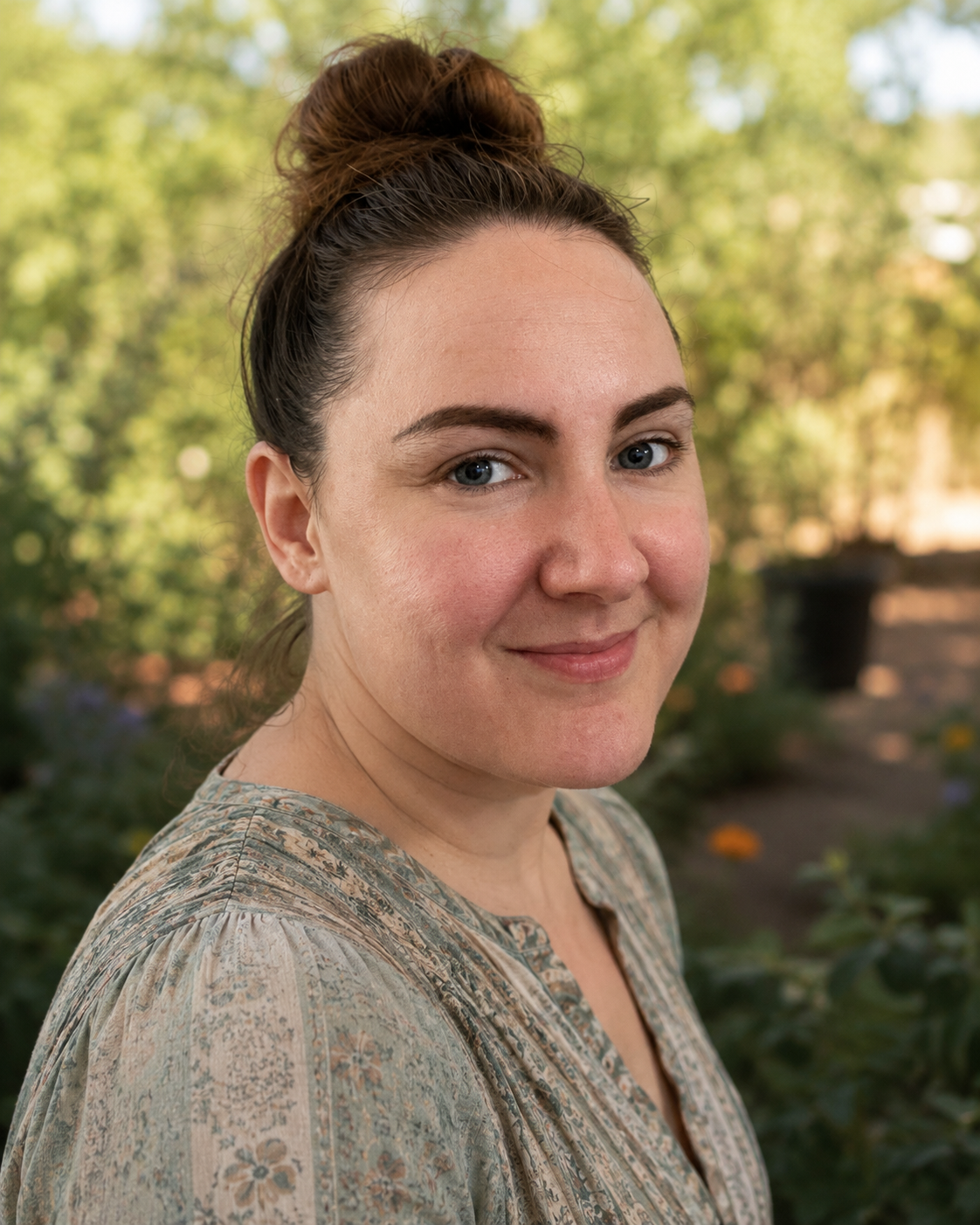
Hi, I’m Rachel.
I’m Rachel Cooper, LCSW, the therapist behind Inner Unity Therapy. I work with adults who are tired of feeling like they should have figured it out by now—especially people carrying trauma, anxiety, overwhelm, self-criticism, or a nervous system that has gotten very good at staying on alert.
I don’t see therapy as a process of finding everything that’s wrong with you and fixing it. I’m much more interested in understanding why your mind and body learned to respond the way they do—and whether those old strategies are still helping you now.
Where I stand
Sometimes anxiety is an old alarm. Sometimes something is actually wrong.
If a relationship is harmful, a situation is unfair, someone treated you badly, or the world is giving you legitimate reasons to be angry or afraid, my job is not to teach you enough coping skills that you become better at tolerating it.
I don’t believe every painful thought needs to be reframed into a positive one. Anger can tell us something. Grief doesn’t need a silver lining. Forgiveness is not required for healing. And a boundary does not become unhealthy simply because someone else doesn’t like it.
I also don’t think “regulated” should mean quiet, agreeable, productive, or easy for other people to be around.
Regulation should give you more choice—not make you more convenient.
And therapy should never become another place where you feel like you have to perform.
What I’m like as a therapist
I’m collaborative, fairly down-to-earth, and not particularly interested in pretending I have all the answers.
I’ll offer ideas. I’ll notice patterns. I’ll challenge you when I think it could be useful. I’ll also tell you when something genuinely sucks instead of searching desperately for its hidden life lesson.
Humor is welcome. So is swearing. So is saying, “I have no idea what I need today.”
Some sessions may involve deeper trauma work. Others may involve talking through something happening right now, noticing what your body is doing, working with a protective part, practicing a skill, or simply figuring out what the hell happened this week.
I use approaches including EMDR, parts work/IFS-informed therapy, mindfulness, somatic work, ACT, DBT-informed skills, and nervous-system-informed care. I’m much less attached to a particular technique than I am to finding something that actually makes sense for the person sitting in front of me.
Why meditation is part of this work
I’ve also begun creating guided meditations because I wanted practices that felt more compatible with the people I actually work with.
Meditation can get weirdly bossy.
Clear your mind. Focus on your breath. Relax. Let go.
That isn’t always helpful when your brain is going a mile a minute, your body hurts, sitting still makes you uncomfortable, or closing your eyes makes you want to crawl out of your skin.
The practices I create leave room for that.
They draw from mindfulness, parts work, self-compassion, imagery, grounding, and body awareness, with plenty of permission to adjust, move away from something, keep your eyes open, or decide that a particular exercise just isn’t for you.
A little about me outside of therapy
I’m a creative person and a chronic maker-of-things. I love animals, getting absorbed in projects, games and fictional worlds, and anything that gives my brain permission to wander somewhere interesting for a while.
I don’t think therapists have to become mysterious blank slates to do good work. I’m a real person on the other side of the screen.
Therapy will still be about you.
Professional background
I’m a Licensed Clinical Social Worker and provide individual psychotherapy to adults. My work is especially focused on trauma and the ways difficult experiences can continue showing up in our emotions, relationships, beliefs, bodies, and nervous systems long after the original event is over.
My training and clinical work include EMDR, parts-informed therapy, mindfulness, somatic approaches, nervous-system-informed care, ACT, and DBT-informed interventions.